
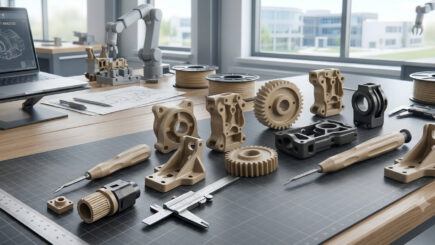
Metal was always the traditional choice for heavy-duty, load-bearing, or high-temperature engineering components. That default has changed over the years…
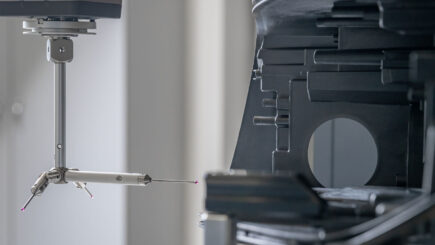
In high-end manufacture, “precision” is more than just a measurement, it is a balanced equation between geometry, material behaviour, and process.
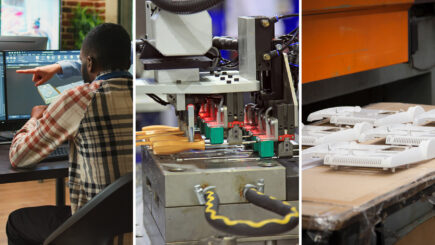
Cost is, understandably, a major factor in most engineering and production projects. However, for high-end industries, particularly those with stringent quality standards such as medical devices, aerospace, or critical engineering components…
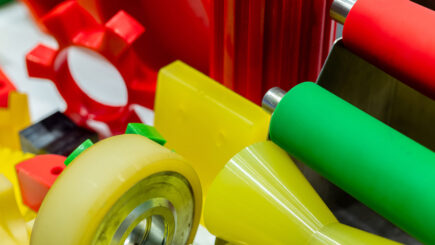
Navigating the world of plastic injection moulding can be complex, and choosing the right material is arguably the most critical decision you’ll make.
For design engineers and product developers, the path from concept to commercial product is a familiar journey.

When designing a product or component, it is worth considering – what, why and how – a product or component will go through during its day-to-day use or operation, as this will affect its design, function, operation and longevity. When designing any plastic injection moulding product, especially one we want to last, we consider behavioural…
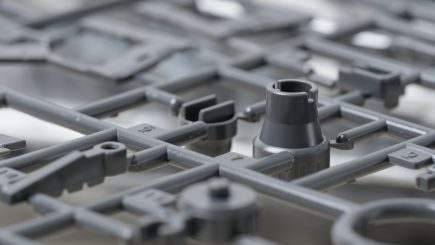
The concept of Design for Manufacture (DFM) is the process of designing parts, components or products in such a way that they are easier to manufacture. The DFM concept exists in almost all engineering disciplines, althoughimplementation differs widely depending on the manufacturing technology. The goal of DFM is to produce an effective, efficient product at…
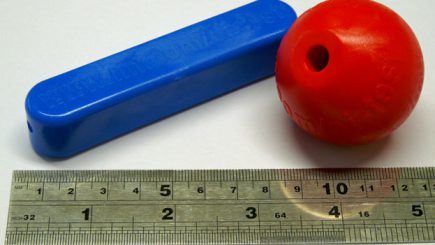
Plastic shrinkage is an unfortunate consequence of the injection moulding process. Shrinkage is the contraction of a plastic moulded component as it begins to cool after the injection process. All plastics shrink as they cool from viscous liquids to solids, and every type of plastic shrinks in a slightly different way. Eliminating shrinkage is virtually…
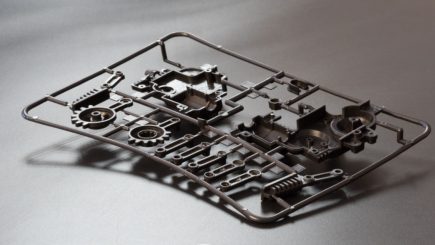
A clean, clear finish on any product means the job in creating it has been well done. Cosmetic defects look unsightly and make the product appear second rate. The manufacturing process of injection mouldings has design guidelines and if they are followed the finished mouldings will be well made and free from defects. Understanding production guidelines will…
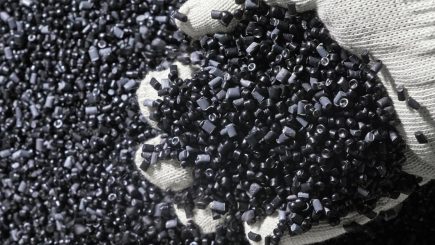
Achieving high recycling rates means thinking about recycling at the design stage. Here at Skar we are committed to producing parts in as environmentally friendly way as possible. This means that when we design a part, we consider not only its functionality but also how to minimise waste and how easy the part can be recycled…
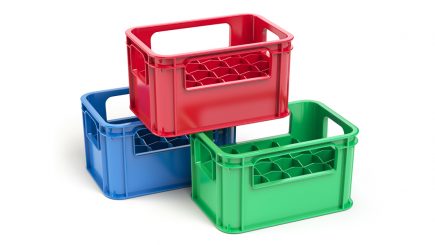
When designing a part for manufacture, a crucial consideration is deciding how strong that part must be to carry out the job it will be asked to do. And with plastic parts in mind, the strength of a part can mean different things for different items. Ultimate strength For instance, if we are looking at…

When we design components or parts it is important that we consider the different types of stress that may impact their performance over time. Here are the major stress factors that can affect the behaviour of plastics: Fatigue Fatigue occurs in plastic when stress is repeatedly applied to an area. The load does not have to…
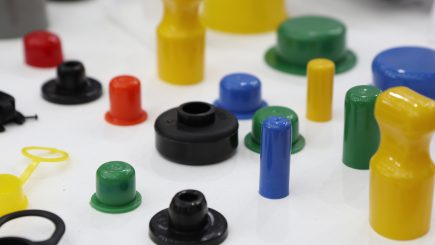
Every new job we carry out at Skar starts with a conversation to ascertain what the client wants and whether plastic injection moulding is the appropriate production method for their product. In the vast majority of cases plastic injection moulding is the right way to go, such is the range and versatility of the process. Hundreds…
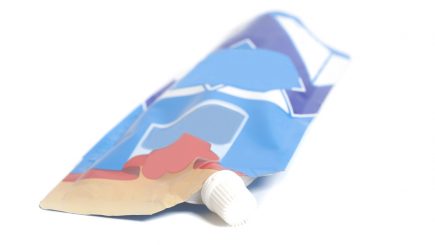
The packaging industry is made up of a wide range of marketers, brand managers, designers, engineers and technologists whose job it is to react to trends, and to find improved and more cost effective ways to contain and present products. Millennials want different things from their packaging A key target market for the packaging sector…
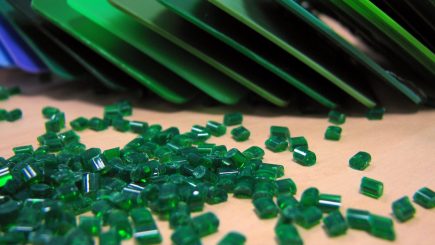
Researchers from ExxonMobil have published details of a new process that could radically cut the level of greenhouse gas emissions linked to plastics production. Making the production of plastics and polymers more environmentally friendly has been a key focus of the industry for many years. Now researchers from oil and gas giant ExxonMobil say they…
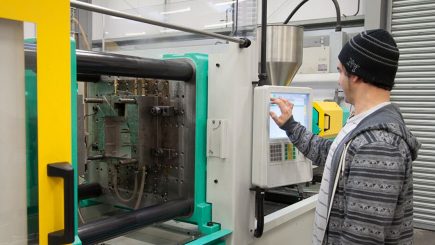
Good design considers the easiest way to make a product at minimum cost and maximum reliability. It’s an expression you hear all the time. From smartphones and juicers to cars and chairs, people are always pointing out examples of “great design.” We all respond to beautiful, well-formed and well-made objects – so much so that…
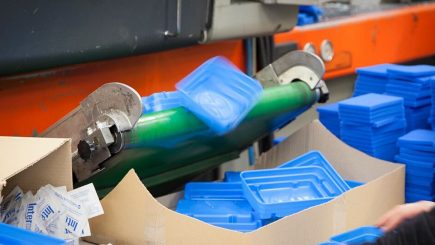
There are a number of key benefits to choosing the plastic injection moulding process for your product. Here’s our top five… Wide range of properties One of the key advantages of working with plastics is that they can have distinctive properties depending on what they are being used for – maybe a product needs to…
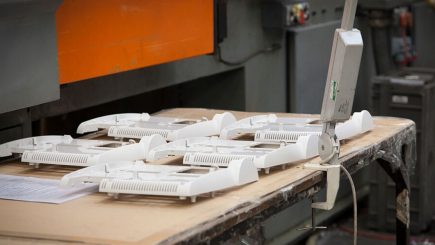
The plastic injection moulding process is a refined procedure, which offers up a number of potential challenges that have to be overcome to ensure the finished product is perfect. One factor that has to be considered is the avoidance of sink marks in any part we produce. A sink mark is a small depression in…
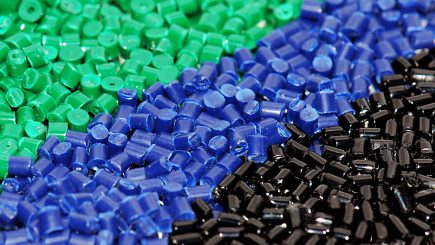
A key process when injection moulding is drying the plastic prior to injection. The reason plastics have to be dried is because they contain moisture and if this moisture is not dried off, it may affect the quality of the finished product. Polymers such as polycarbonate, nylon, PBT, PET, ABS, acrylic, urethanes all have to…
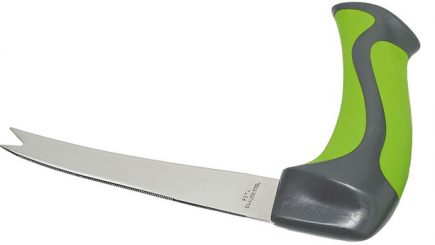
Skar Precision Mouldings has worked with a leading manufacturer of high-quality kitchenware to enable it to return its production to the UK from China. Based near Colchester in Essex, Peta UK is a second-generation family business that makes Easi-Grip® garden tools, kitchen knives and other utensils. The company approached Skar to help it reshore the…
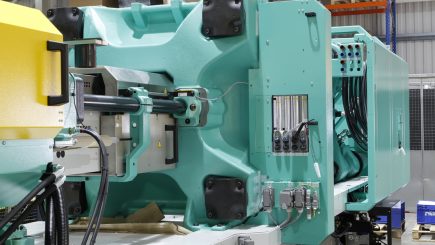
All plastic injection moulding presses are classified based on the tonnage, or more specifically, the clamping pressure or force they can exert. At Skar, we have more than 30 injection presses which can exert a range of pressures of between 25 and 450 tons. A machine rated for 25 tons can exert 25 tons of…
When designing a product or component, it’s worth considering what it will go through on a day-to-day basis, as this will affect how long it will last. Here are a few things to keep in mind when starting a project: Creep Plastic materials tend to have a memory effect. This means that if a plastic…
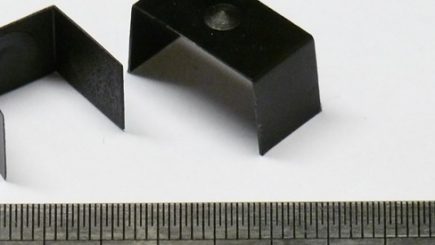
Product wall thickness is a key consideration when designing products for plastic injection moulding. Thicker walls will offer more strength, but they are also more likely to suffer from warping as the plastic cools in the mould. Engineers and designers are usually more focussed on pushing the boundaries in the other direction, and using the…
Plastic Injection Moulding Lead Times There are many reasons for the global success of plastic injection moulding as a high volume manufacturing process, most notably speed of production and low unit costs. If plastic injection moulding does have an Achilles heel, then it would be the lead-time to production, and that is simply down to…
Skar Precision Moulding is an ISO 9001 and ISO 14001 certified injection moulding company. A large proportion of our business comes from the injection moulding of medical and engineering components. A requirement common to both of these industries is for accuracy, consistency and high levels of precision. This is why we have invested heavily over…
For further enquiries or more detailed information please call us on 01473 828000 or email us at sales@skar.co.uk