
Skar Precision Moulding is an ISO 9001 and ISO 14001 certified injection moulding company. A large proportion of our business comes from the injection moulding of medical and engineering components. A requirement common to both of these industries is for accuracy, consistency and high levels of precision.
This is why we have invested heavily over the years in our quality management systems. Our inspection department can undertake detailed and highly accurate measurements of components we have manufactured and compare them to the original 3D CAD model to ensure they are within the required tolerance.
However, quality control only identifies whether a component is within tolerance after it has been manufactured. What can we do beforehand to ensure our injection moulding processes produce components that are within tolerance?
The three main areas of to focus on for high precision injection moulding are as follows:
 An experienced and qualified designer can intuitively adapt a component design to compensate for the effects of shrinking and thermal stress. At the same time we are always on hand to offer the benefits of our experience and education (See our website page on design support).
The effects of cooling are fairly predictable, in that the thicker parts of the product or component cool slower than thin parts, and also have a greater scope for shrinking.
There are other issues our designs support team can hep prevent too, for example an area of a product or component might be designed to be perfectly smooth. However, if there is a strengthening rib on the other side it effective makes that area thicker. This means you could get a shrink mark on the opposite side of a wall to where the rib is.
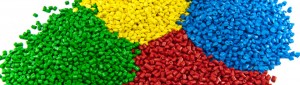 There is a wide choice of plastic moulding materials and additives available, depending on the particular properties you are looking for, such as strength, chemical resistance and of course cost! Different plastics cool at different rates, and also vary in how much they shrink during the cooling process. Use of fillers can reduce shrinkage.
Again, this largely comes down to experience and having a detailed knowledge of materials and their properties. We will discuss and advice on the best choice to ensure high accuracy injection moulding.
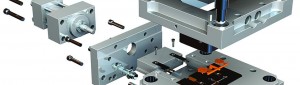 A mould tool can be designed to closely control the cooling process, by incorporating cooling channels. This can be accurately predicated with detailed analysis and 3D mould tool design software that simulates temperature distribution throughout the component and the mould tool, predicting any distortion or shrinkage that may occur, and giving the mould tool designer the ability to modify the design according to reduce these affects.
Component dimension changes can be caused during the assembly process too, so it is possible to design a tool that creates two separate components pre-assembled, saving on assembly time too.
We hope this has given you a useful insight into tight tolerance injection moulding. Please get in touch if you have a product you are looking to have manufactured, we’d be pleased to help.
For further enquiries or more detailed information please call us on 01473 828000 or email us at sales@skar.co.uk