
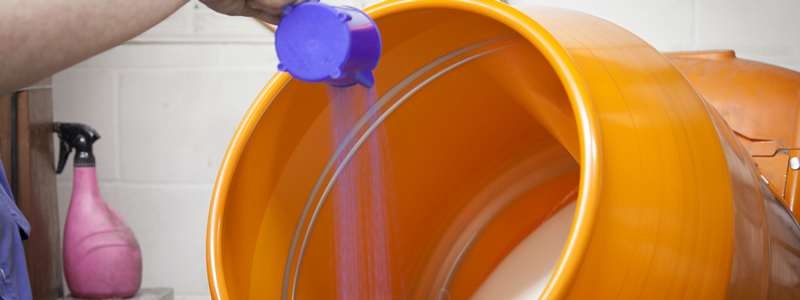
Choosing the right material for an injection moulding project is a key factor in producing the right plastic part with all the right properties.
Advances in polymer science mean there is now a wide selection of resins to choose from. At Skar we have the experience and know-how to help you decide what resin and additives are best suited for a particular part.
Here’s a brief guide to the world of resins.
What is a resin?
The materials we call plastics, such as polystyrene, ABS, acrylic, polyethylene etc., are synthetic resins in the form of long-chain polymers usually derived from petroleum.
Which resin to use for a particular part?
To decide which resin to use, it is important to understand the intended end use of the part.
Will it need to withstand pressure, temperature variations or exposure to the elements? Does it need to be rigid or flexible?
Does it require a specific finish or colour, or need to comply with certain regulatory standards?
Thermoset plastics or thermoplastics?
There are two basic categories of plastics: thermoset plastics, and thermoplastics.
Thermosets harden into a permanent form during processing – a chemical reaction that cannot be reversed, meaning they cannot be reshaped easily.
Thermoplastics, on the other hand, are heated then cooled in a mold to form a part. They can be re-melted and reshaped before being cooled again, meaning they are easier to recycle. It is thermoplastics that are used in the injection moulding process.
Types of thermoplastics
Thermoplastics can be divided into three main categories:
High-performance resins: are a group of plastic materials that combine great strength with light weight, often used in the aerospace industry.
Additives to improve resins
Many manufacturers use additives to improve performance or to enhance the final product.
Common additive applications include:
If you have any questions about resins or a particular project, please do not hesitate to contact us here at Skar for an informal conversation.
For further enquiries or more detailed information please call us on 01473 828000 or email us at sales@skar.co.uk